
The purpose of forced ventilation is to remove heat, moisture, harmful gases, airborne dust and organic particles, creating a healthier environment for livestock.
Controlling the incoming airflow is essential for maintaining animal health and welfare, with ventilation requirements adapted to the specific needs of each species and stage of production.
Achieving the right balance between forced ventilation and the control of air inlets—including windows and ventilation chimneys—is essential. Choosing a system that matches the specific requirements of each farm ensures optimum environmental conditions and maximum production efficiency.
Los sistemas OSMOEUROPA se adaptan al tipo y la distribución de los animales en la sala, tipo de construcción y obstáculos, mejorando el ambiente de la granja y cumpliendo los criterios de eficiencia energética, funcionamiento preciso y mantenimiento fácil.
OSMOEUROPA solutions are designed to adapt to the type and distribution of livestock, the building layout and any structural obstacles. The result is a healthier indoor environment, greater energy efficiency, precise operation and reduced maintenance requirements.
These advantages help optimise ventilation systems, minimise operating errors, maintain excellent air quality and stable temperatures, and ultimately improve livestock productivity.
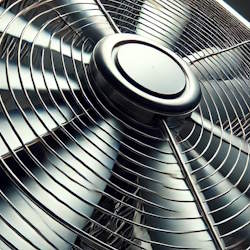
Mechanical Forced Ventilation Systems
Investing in forced ventilation provides greater control over environmental conditions and allows rapid response when external weather conditions are unfavourable.
We offer a complete range of equipment and accessories to design a ventilation system tailored to the layout and requirements of your livestock facilities.
OSMOEUROPA systems stand out by providing an emergency backup solution that keeps ventilation operating continuously, even during mains power failures.
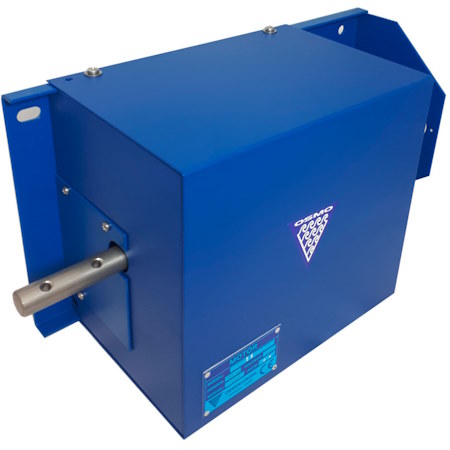
Forced Ventilation Diagrams
Ventilation Systems for Poultry Houses
An efficient ventilation system is essential for ensuring animal welfare, productivity and biosecurity in poultry houses. OSMOEUROPA equipment is designed to provide reliable, precise control of ventilation in livestock buildings.
A poultry house ventilation system must maintain a stable temperature and high air quality while continuously adapting to changing weather conditions throughout the day and across all seasons. Achieving this requires the seamless integration of the building, ventilation equipment and environmental controller.
One of the key principles of ventilation management is maintaining the correct pressure differential, ensuring controlled airflow into and out of the building. This is achieved through the proper combination of exhaust fans, motors for air inlets and automated control systems, all designed to suit the local climate and stocking density.
OSMOEUROPA not only supplies the most suitable ventilation equipment —including motors, sensors, controllers and accessories—but also provides expert advice on structural improvements that enhance energy efficiency and reduce operating costs.
Recommended Ventilation Equipment
- ✅ High-performance, energy-efficient equipment.
- ✅ Improved thermal comfort and indoor air quality.
- ✅ Optimised energy consumption and livestock productivity.
- ✅ Continuous equipment operation during power outages.
- ✅ Remote farm monitoring and management from a smartphone or PC.
Explore our natural and forced ventilation systems, together with the available installation diagrams, to find the configuration that best suits your farm.
Ventilation Systems for Livestock Barns
Both mechanical and natural ventilation systems can be adapted to improve environmental control in cattle, dairy and equine facilities, creating healthier conditions and enhancing livestock welfare.
Farm Ventilation Systems
The main types of ventilation systems provide fresh air and oxygen to livestock while removing harmful gases and airborne dust. They also help regulate humidity and maintain the optimum temperature for healthy, productive farming—all made possible by OSMOEUROPA controllers.

Natural Ventilation Control
Natural ventilation is a key element of environmental control. Effective temperature management improves production performance while reducing farm operating costs.
Forced Ventilation Control
Optimised forced ventilation systems help maintain the correct indoor temperature, improve air quality and maximise production performance.